🗣️ Mind-to-Speech Technology
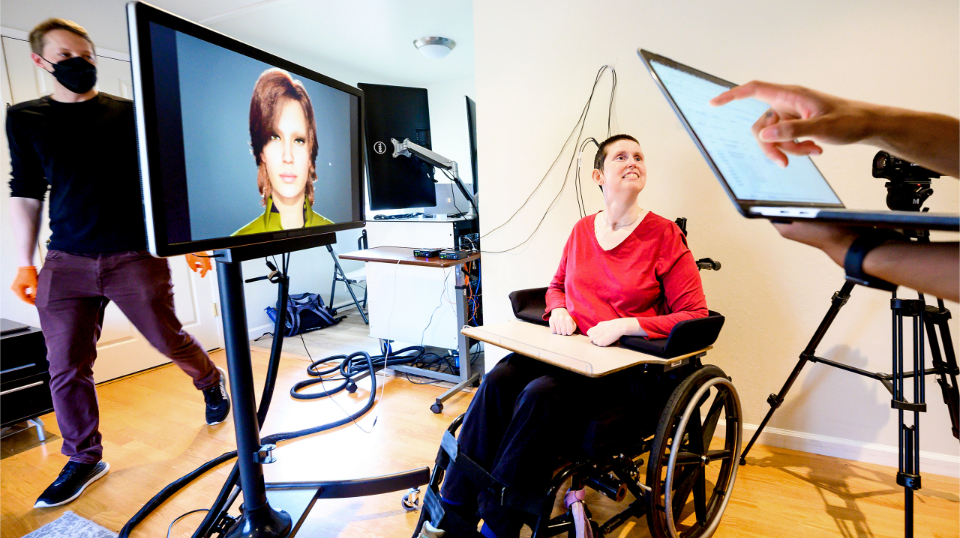
In a groundbreaking study, researchers have developed an advanced brain implant that allows individuals with severe paralysis to communicate using only their thoughts. The system works by detecting neural activity in specific regions of the brain responsible for speech production—most notably the motor cortex and Broca’s area. These areas are still active even when a person is physically unable to speak.
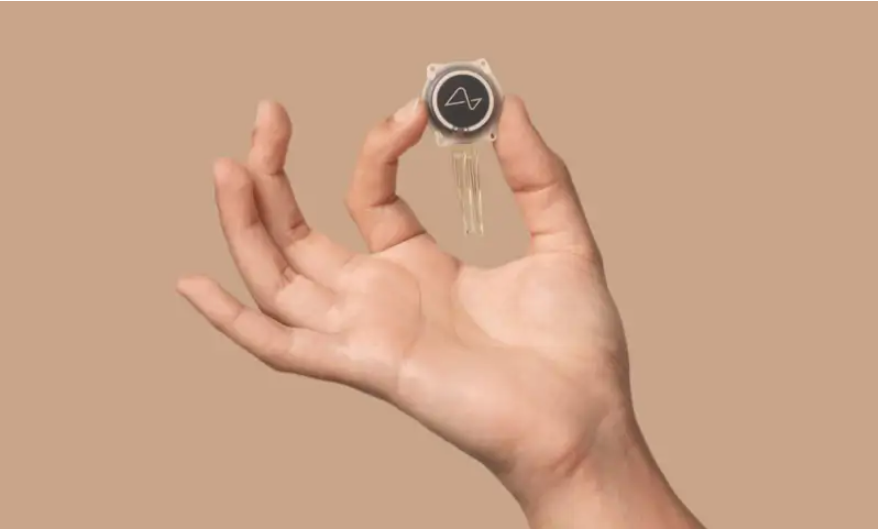
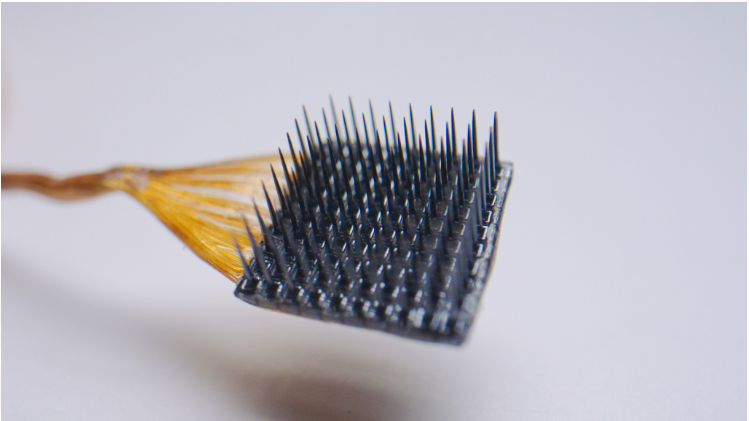
Tiny electrodes implanted in the brain record neural signals associated with imagined speech. These signals are then processed using machine learning algorithms trained to decode specific patterns into corresponding words or phrases. The translated data is rendered in real-time as either written text or a synthetic voice, giving the user the ability to “speak” once again.
One notable trial involved a woman who had lost the ability to speak after a brainstem stroke. Using the implant, she was able to generate hundreds of words per minute, vastly surpassing earlier BCI systems in both speed and accuracy. This represents a major leap forward in neuroprosthetics and offers new hope for people with conditions such as ALS, locked-in syndrome, or severe spinal cord injuries.
🎮 Control of External Devices
Brain-Computer Interfaces (BCIs) are now enabling users to control robotic limbs, wheelchairs, drones, and even full computer systems with unprecedented precision and responsiveness. These systems operate by interpreting electrical activity from the brain—typically captured via non-invasive EEG caps or invasive electrode arrays—and translating it into control commands.
Modern BCI platforms use sophisticated machine learning algorithms that are capable of learning and adapting to a user’s unique neural patterns. These algorithms improve over time through continuous feedback and training, allowing for smoother and more intuitive control. For example, a user can learn to move a robotic arm simply by imagining the motion of their own limb, and the system will gradually refine its accuracy through pattern recognition.
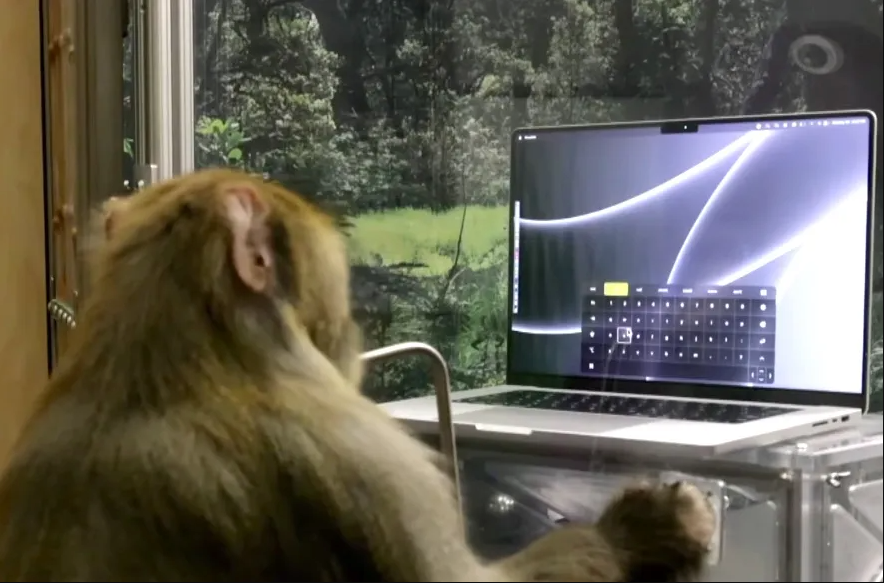
In clinical settings, BCIs are restoring independence to people with mobility impairments by allowing them to drive motorized wheelchairs using only their thoughts. In experimental setups, users have typed on virtual keyboards, played video games, and browsed the internet—all without lifting a finger.
This fusion of neuroscience and AI is not only transforming assistive technology but also laying the groundwork for seamless human-computer symbiosis in the near future.
🔗 Future of BCI
With continued development, experts believe that Brain-Computer Interfaces (BCIs) will not only revolutionize therapy for neurological conditions, but also expand the very boundaries of what it means to be human. These interfaces are expected to play a critical role in the treatment of neurodegenerative diseases, such as Alzheimer’s and Parkinson’s, by monitoring brain health, stimulating damaged areas, and potentially restoring lost functions.
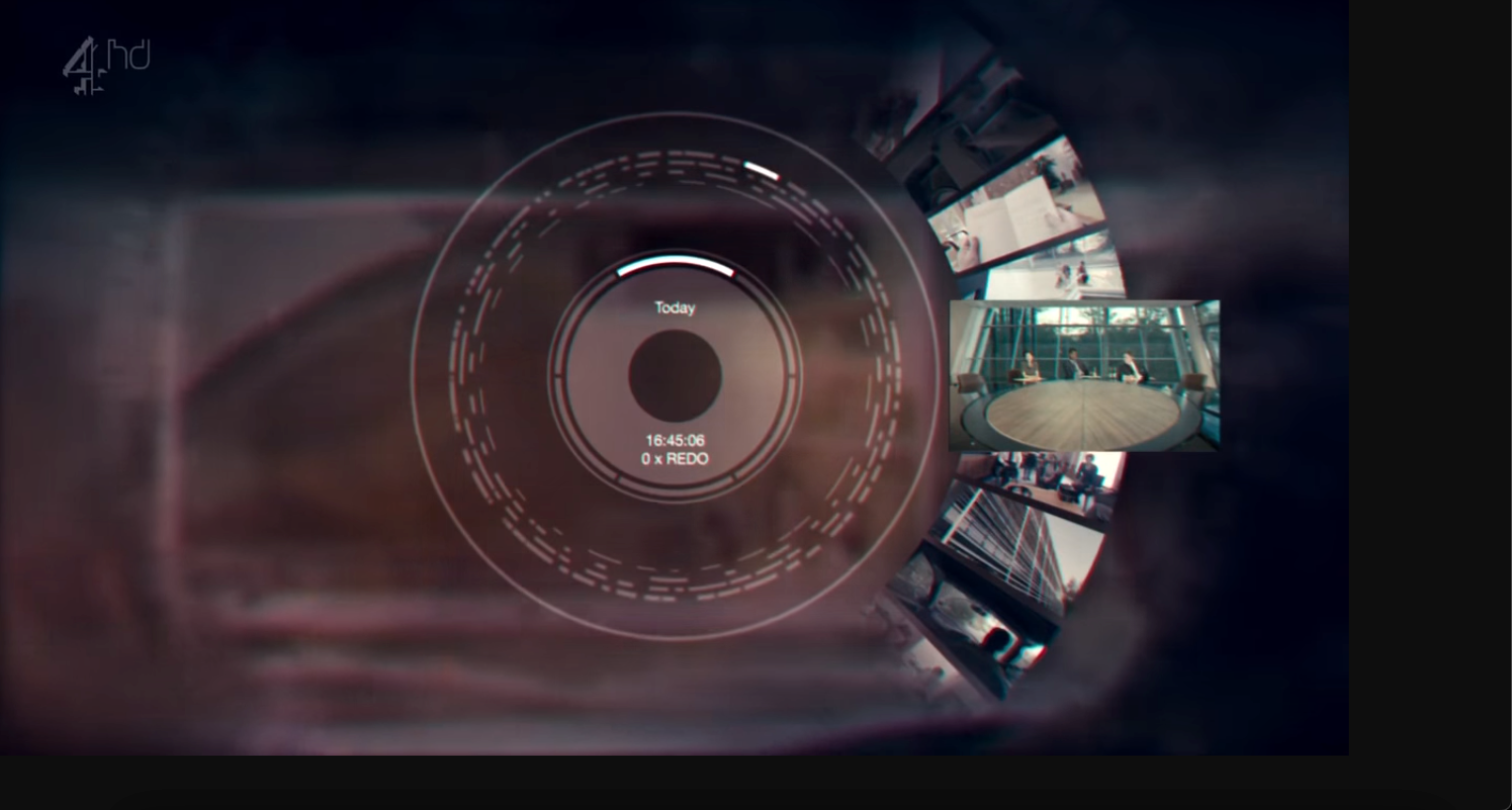
But beyond therapeutic applications, BCIs could drastically enhance human cognitive capabilities. One of the most compelling frontiers is memory augmentation. Imagine a future where individuals can consciously access, replay, and explore their own memories as vividly as watching a video—navigating through moments of their past with full sensory immersion. Memories could be stored, categorized, and retrieved on demand, allowing for a new dimension of self-awareness, learning, and even emotional healing.
This could lead to “neural libraries” where important life experiences are archived with incredible fidelity, or even shared with others in a controlled and meaningful way. It raises the possibility of an entirely new form of communication—telepathic exchanges of thoughts, feelings, and lived experiences, transmitted directly from one brain to another.
While this vision is still years—perhaps decades—away, the pace of innovation in neural decoding and BCI technologies makes it increasingly plausible. What once sounded like science fiction is now emerging as the next logical step in the evolution of human consciousness.